
The United States and Iran have reportedly begun peace negotiations in Pakistan, with initial talks taking place in Islamabad, according to emerging reports from officials familiar with the discussions.
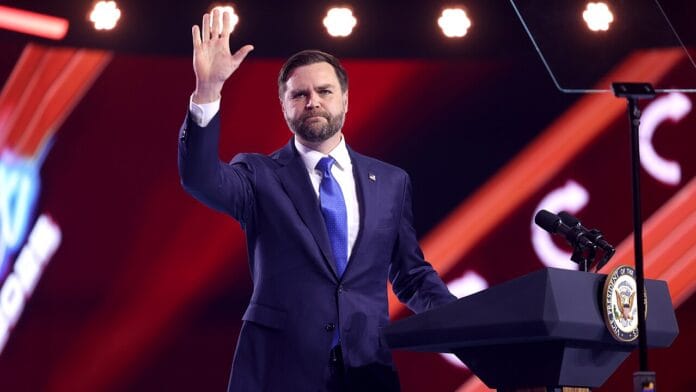
US Vice President J. D. Vance arrived in the Pakistani capital earlier on Saturday, where he met an Iranian delegation led by Mohammad Bagher Ghalibaf, a senior figure within Iran’s political establishment.
The talks are said to focus on de-escalating tensions following weeks of conflict that have disrupted global energy markets. Vance is reportedly aiming to secure progress toward ending hostilities that have contributed to a sharp rise in oil prices over the past month.
However, details from the meeting remain limited and in some cases disputed. Reports have suggested that Washington may be considering unfreezing a portion of Iranian assets held abroad, including funds reportedly located in Qatar. The White House has denied these claims, and no official confirmation has been provided.
The negotiations come at a time of growing concern over energy supply chains, particularly in Europe. Analysts warn that continued instability could have knock-on effects across multiple sectors, including aviation and transport.
Separate reports indicate that parts of Europe could face shortages of aviation fuel within weeks if disruptions persist. These claims have not been independently verified, but they underline the broader economic risks tied to the ongoing tensions.
Pakistan’s role as host highlights its position as a potential intermediary in regional diplomacy. Officials have not disclosed the full agenda of the talks, and it remains unclear how long negotiations are expected to continue.
While both sides appear to be engaging diplomatically, significant uncertainties remain. There has been no official statement outlining concrete outcomes, and it is not yet known whether the discussions will lead to a formal agreement.
For now, the talks in Islamabad are being closely watched as a possible step toward stabilising both the geopolitical situation and the global energy market, though the outcome remains uncertain.