
Oil prices climbed above $114 on Thursday as tensions between the United States and Iran escalated, raising fears of disruptions to global energy supply. The surge follows fresh attacks on key gas infrastructure in Qatar and a direct threat from Donald Trump, signaling a potential widening of the conflict.
Brent crude rose more than 13% over the past week, reaching its highest level since 2022. The move reflects growing risks to energy flows from the Gulf, a region critical to global oil and gas exports.
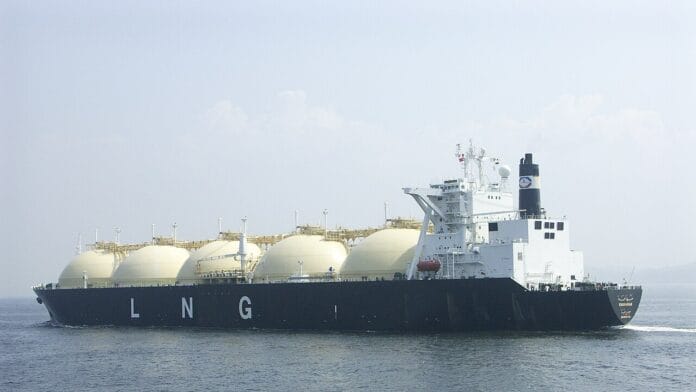
The latest escalation came after Iran struck Qatar’s Ras Laffan industrial complex for a second time. The site, one of the world’s largest liquefied natural gas hubs, was hit hours before Trump warned the US would “massively blow up” Iran’s South Pars gas field if attacks continue.
Iran’s actions follow an earlier Israeli strike on its South Pars field, prompting retaliatory missile launches. On Wednesday, Tehran fired five ballistic missiles toward Qatar, with one hitting the facility and causing a fire.
Thursday’s second strike on Ras Laffan marks a sharp escalation, bringing key energy infrastructure on both sides into the conflict. Trump’s response introduces the risk of direct US action targeting Iran’s core energy assets.
Markets are reacting to the growing likelihood that energy facilities will remain primary targets. Ras Laffan and South Pars are central to global gas supply, and sustained disruption could push prices higher, intensify inflation pressures and destabilize broader financial markets.