
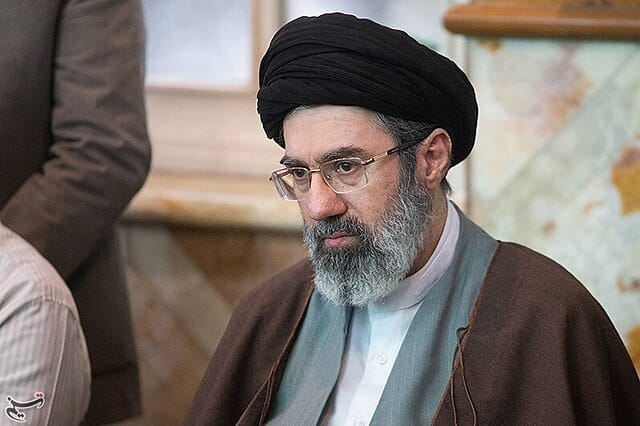
Iran’s new Supreme Leader Mojtaba Khamenei has issued a stark warning to the country’s enemies, declaring they must be stripped of their “security” in his first public message since taking power. The statement signals a sharp escalation in rhetoric at a moment of intense regional instability.
The message, released on Tuesday and addressed to President Masoud Pezeshkian, follows the killing of Iran’s intelligence minister Esmail Khatib in an اسرائیli strike. It marks the first direct indication of Khamenei’s stance since assuming leadership after the death of his father.
Mojtaba Khamenei succeeded Ayatollah Ali Khamenei, who was killed in an Israeli airstrike on February 28, the opening day of the current conflict. Since then, the new leader has remained largely out of public view, fueling speculation about his condition and whereabouts.
State media broadcast footage of the 56-year-old cleric teaching religious students, believed to be the first video of him since taking office. However, no date was provided, raising questions about whether the clip was recent or archival.
Unconfirmed reports suggest Khamenei may have been injured in the same wave of attacks that reportedly killed members of his family. Some sources claim his condition is serious and that he may have sought medical treatment in Moscow, though no official confirmation has been provided.
Despite his absence, Khamenei has called for national unity and warned of retaliation. In a Telegram message during the funeral of senior figure Ali Larijani, he said those responsible for the killings would “soon pay the price,” reinforcing a narrative of revenge.
He also signaled that Iran could maintain pressure on global energy routes, indicating that the strategic Strait of Hormuz could remain restricted. Any disruption there would have immediate consequences for global oil supply, amplifying the economic stakes of the conflict.
The combination of aggressive rhetoric, unclear leadership visibility, and threats to critical energy infrastructure suggests a volatile phase ahead, with risks extending well beyond the region.