
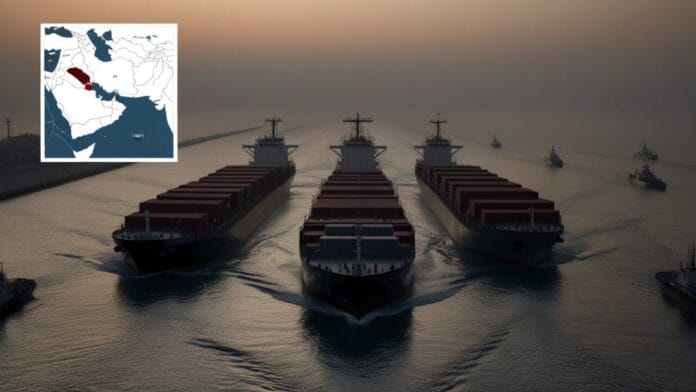
Iran has reportedly rejected a proposal for a temporary ceasefire that would have led to the reopening of the Strait of Hormuz, according to a senior official cited by Reuters. The development comes as diplomatic efforts intensify to prevent further escalation in a conflict that has already disrupted global energy routes.
The unnamed official said Tehran received a proposal through mediators, including Pakistan, aimed at securing an immediate pause in hostilities. The plan, according to the same source, was linked to a broader attempt to ease tensions ahead of a deadline reportedly set by former US president Donald Trump concerning potential strikes on energy infrastructure.
However, Iranian authorities appear unconvinced by the proposal’s long-term credibility. The official indicated that Tehran does not believe Washington is prepared to commit to a lasting ceasefire, and therefore sees little value in agreeing to a temporary arrangement that could expose the country to renewed military pressure shortly after.
Details of the proposal remain limited, and there has been no independent confirmation of its full terms. It is also unclear how other regional or international actors have responded to the reported initiative. Officials in Washington have not publicly commented on the specific claims surrounding the ceasefire offer.
Iran’s foreign ministry has adopted a firm tone in response. Esmaeil Baghaei, a spokesperson for the ministry, said Tehran had formulated a structured response outlining its positions and demands. He emphasised that negotiations conducted under threats or ultimatums were fundamentally unacceptable.
“Negotiations are incompatible with ultimatums and threats to commit war crimes,” Baghaei said during a press conference. He added that Iran’s stance should not be interpreted as inflexibility, but rather as a reflection of what it considers legitimate national interests.
The Strait of Hormuz remains central to the dispute. As one of the world’s most critical oil transit chokepoints, any disruption to its operations has immediate global consequences. A temporary reopening tied to a fragile ceasefire would likely offer only short-term relief to energy markets already strained by uncertainty.
Iran has previously used control over the strait as strategic leverage, particularly during periods of heightened confrontation with the United States and its allies. Analysts note that maintaining pressure in Hormuz allows Tehran to assert influence without necessarily engaging in direct large-scale confrontation.
The reported rejection also highlights deeper mistrust between the parties. Iranian officials have repeatedly argued that past agreements have failed to deliver lasting security guarantees. From Tehran’s perspective, entering a temporary ceasefire without clear assurances risks repeating previous cycles of escalation.
At the same time, the involvement of Pakistan as a mediator reflects a broader regional effort to contain the crisis. Islamabad has historically maintained diplomatic channels with both Washington and Tehran, positioning itself as a potential intermediary during sensitive negotiations. Whether its role will lead to renewed dialogue remains uncertain.
The mention of a “ten-clause response” suggests that Iran has outlined specific conditions or counter-demands, although these have not been made public. Diplomats familiar with similar negotiations say such frameworks often include security guarantees, sanctions considerations, and verification mechanisms.
The situation continues to evolve rapidly, with military, diplomatic and economic dimensions closely intertwined. Any miscalculation in the coming days could significantly impact not only regional stability but also global markets.
For now, Iran’s message appears consistent: it is open to dialogue, but not under pressure. Whether that position leaves room for compromise will depend largely on how other actors respond in the critical hours ahead.