
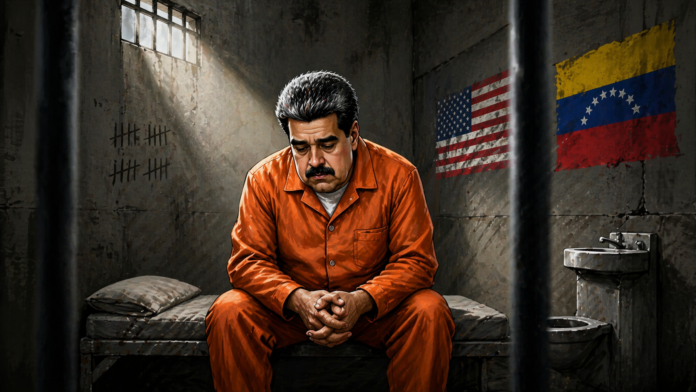
Reports suggesting that Venezuelan President Nicolás Maduro is being held in a federal detention facility in Brooklyn have triggered intense debate, though key details remain unconfirmed and authorities have not publicly verified the full circumstances of the case.
According to various media accounts and indirect sources, Maduro is believed to be detained at the Metropolitan Detention Center (MDC) in Brooklyn, a facility known for housing high-profile inmates. U.S. officials have not provided detailed public statements, and the Federal Bureau of Prisons has declined to comment on specific detainees, citing security and privacy rules.
The lack of official clarity has left much of the narrative shaped by secondary reporting and anecdotal accounts, some of which have not been independently verified. This uncertainty underscores the sensitivity of the situation, particularly given Maduro’s status as a sitting or recently active head of state.
Reports suggest Nicolás Maduro is being detained at MDC Brooklyn, a federal facility known for housing high-profile inmates under strict conditions. Officials have not confirmed the details, citing security and privacy concerns.
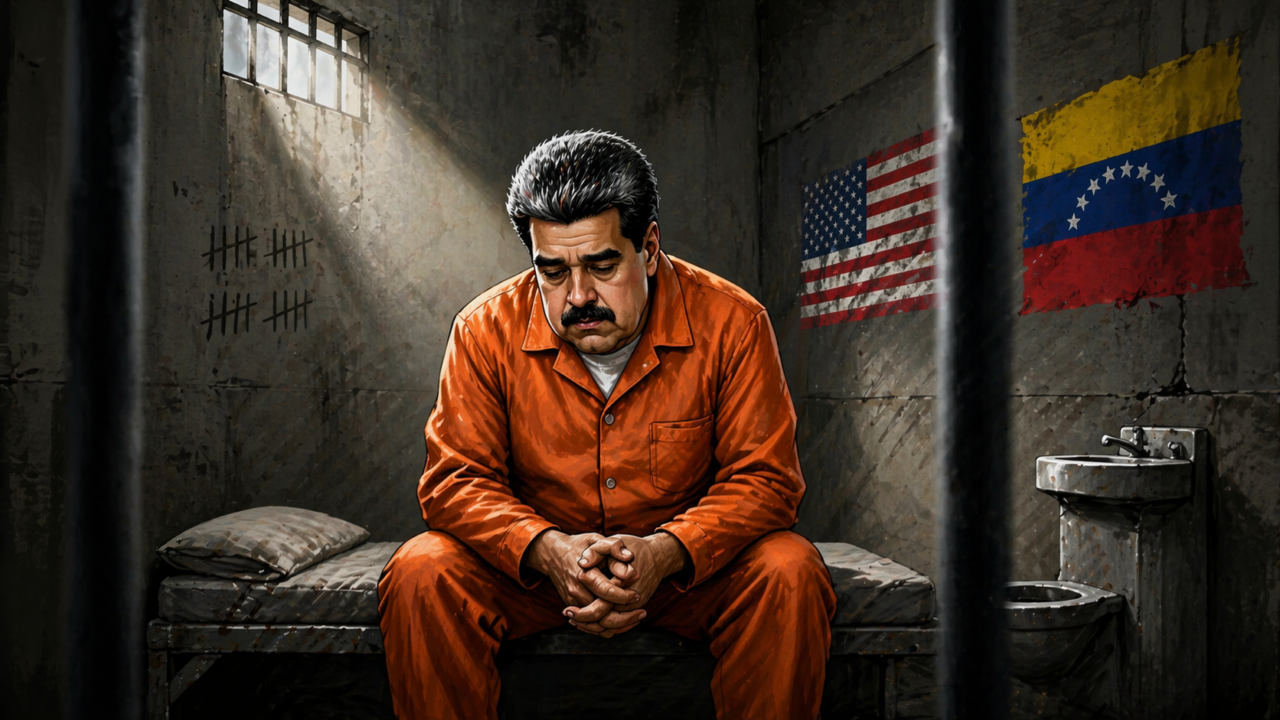
If verified, the detention could set a precedent, raising legal and geopolitical questions about holding a national leader abroad.
If confirmed, the detention of a national leader by the United States would represent a highly unusual development in modern geopolitics. While former heads of state have faced arrest and trial in international or domestic courts, the direct custody of a political leader by a foreign power raises complex legal and diplomatic questions.
Historically, cases involving high-ranking political figures have often been handled through international tribunals or domestic judicial systems following regime change. The reported scenario involving Maduro would differ significantly, potentially setting a new precedent in how powerful states assert jurisdiction beyond their borders.
Legal experts note that such a case would likely involve a combination of criminal charges, international law considerations, and political negotiation. However, without confirmed details regarding the legal basis for his detention, the full framework remains unclear.
Beyond the legal dimension, the political implications are substantial. Venezuela remains a strategically important country, particularly due to its vast oil reserves. Any move involving its leadership has direct consequences for energy markets, regional stability, and U.S. foreign policy in Latin America.
The reported detention also comes against a backdrop of longstanding tensions between Washington and Caracas. The United States has previously imposed sanctions on Venezuela and accused its leadership of corruption and other offenses, while Venezuelan officials have consistently rejected these claims and criticized U.S. intervention.
Caracas has reportedly described Maduro’s situation as a “kidnapping,” though such statements reflect a political position rather than a legally established fact. The absence of transparent legal proceedings at this stage makes it difficult to assess competing narratives with certainty.
Inside the United States, the case could also carry institutional implications. Facilities like MDC Brooklyn are designed to manage high-risk and high-profile detainees under controlled conditions. Experts in the U.S. prison system say individuals of significant political or public stature are typically held in specialized units to ensure both their safety and the security of the institution.
These units often operate under stricter protocols than the general prison population, with limited movement, frequent monitoring, and restricted interaction. While conditions in MDC Brooklyn have been criticized in past reports, officials maintain that standards meet federal requirements.
Some of the more vivid descriptions of Maduro’s alleged daily life inside the facility come from informal sources, including former inmates. Among them, rapper Tekashi 6ix9ine has publicly claimed to have encountered Maduro during detention. His account, which includes details about living conditions and daily routines, has circulated widely online.
However, such claims remain unverified and should be treated with caution. Experts stress that anecdotal testimony, particularly from individuals outside formal reporting channels, cannot be relied upon as definitive evidence.
More broadly, the case reflects the intersection of law enforcement, diplomacy, and global power dynamics. The detention of a figure like Maduro, if confirmed, would signal a willingness by the United States to extend its legal reach in ways that could influence future international cases.
It may also reshape how political leaders assess personal risk when traveling or operating abroad, particularly in jurisdictions aligned with U.S. interests.
At the same time, the situation carries risks. Any perceived overreach could provoke backlash from allies and adversaries alike, complicating diplomatic relations and reinforcing narratives of geopolitical confrontation.
In Venezuela, the political consequences are already unfolding. Reports suggest that government functions have been temporarily managed by senior officials, while opposition figures continue to position themselves for a potential shift in power.
International reactions have been mixed, reflecting broader divisions over Maduro’s leadership and legitimacy. Demonstrations both supporting and opposing him have reportedly taken place outside U.S. court buildings, highlighting the global attention surrounding the case.
For now, much remains uncertain. Key details about the legal process, potential charges, and timeline have yet to be clearly established.
What is clear, however, is that the reported detention of Nicolás Maduro is more than a legal matter. It sits at the center of a larger question: how far can state power extend in a world where political authority, sovereignty, and international law increasingly collide.