
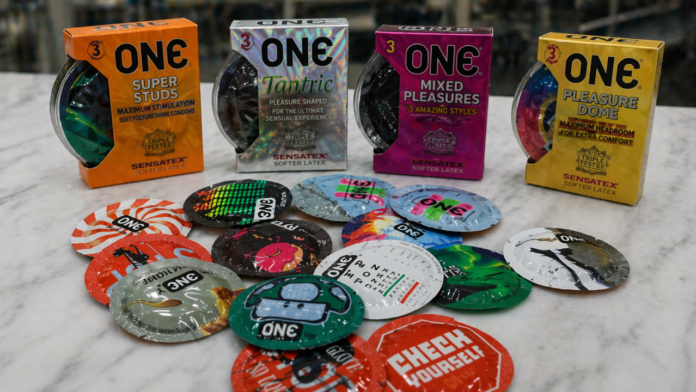
The world’s largest condom manufacturer, Karex, is preparing to raise prices by up to 30%, as disruptions linked to the Iran conflict continue to strain global supply chains and drive up production costs.
Chief executive Goh Miah Kiat said the Malaysia-based company has already seen a sharp increase in costs since the escalation of tensions in the Middle East. In comments reported by Reuters and Bloomberg, he indicated that further price increases could follow if the situation persists.
Karex produces more than five billion condoms annually and supplies major global brands such as Durex and Trojan, as well as public health systems including the UK’s NHS. The company plays a central role in the global supply of contraceptives, making any disruption potentially significant for both consumers and healthcare providers.
According to Goh, demand for condoms has risen by around 30% this year, while logistics challenges and higher freight costs have added further pressure. Shipping delays and increased fuel prices have compounded the issue, particularly as key maritime routes face instability.
The disruption is linked to rising tensions in the Strait of Hormuz, a critical global shipping route. Reports suggest that threats to vessels in the area have effectively restricted access, although the full extent of the disruption has not been independently verified.
The Strait of Hormuz is one of the world’s most important energy corridors, with roughly a fifth of global oil and liquefied natural gas passing through it. Any interruption has immediate ripple effects across industries reliant on petroleum-based products.
Karex depends heavily on oil-derived materials, including ammonia used in latex preservation and silicone-based lubricants. As energy prices rise, so too do the costs of these essential inputs, directly affecting production.
The impact of the conflict is being felt well beyond the contraceptive market. Analysts say the broader economic effects are already visible across multiple sectors, from aviation to agriculture. Recent data indicates that economy-class airfares have risen significantly compared to a year ago, while fertiliser prices have also increased due to supply constraints.
At the same time, industries reliant on petrochemicals are facing shortages and cost pressures. Disruptions to shipments through the Gulf have reportedly contributed to limited availability of materials such as helium, which is used in semiconductor production, as well as challenges in the bottled water sector.
Earlier this month, the United Nations warned that global food prices, including sugar, dairy, and fruit, are likely to rise as transport costs increase. These developments highlight the broader inflationary pressures stemming from instability in key global trade routes.
Goh suggested that economic uncertainty may also be driving higher demand for condoms, as consumers seek to avoid additional financial burdens. “In uncertain times, people tend to be more cautious about starting a family,” he said in one of the interviews.
The situation underscores how geopolitical tensions, particularly those affecting energy supply chains, can quickly translate into higher consumer prices across a wide range of goods. While the duration of the disruption remains unclear, companies like Karex are already adjusting to what could become a prolonged period of volatility.