

US President Donald Trump has reportedly ordered the US Navy to take immediate lethal action against any vessels suspected of laying naval mines in the Strait of Hormuz, marking a sharp escalation in rhetoric and military posture in the region.
In a post shared on Truth Social, Trump said there should be “no hesitation” in responding to such threats, adding that US mine-clearing operations are already underway and will be significantly intensified. He indicated that these efforts would be “tripled,” suggesting a rapid expansion of naval activity in one of the world’s most strategically important waterways.
Details surrounding the directive remain unclear, and it has not been independently verified how the order is being implemented on the ground or whether formal rules of engagement have changed. US military officials have not publicly confirmed the scope of the instruction.
The US president reportedly orders lethal force against suspected mine-laying boats, marking a sharp shift in military posture in the Strait of Hormuz.
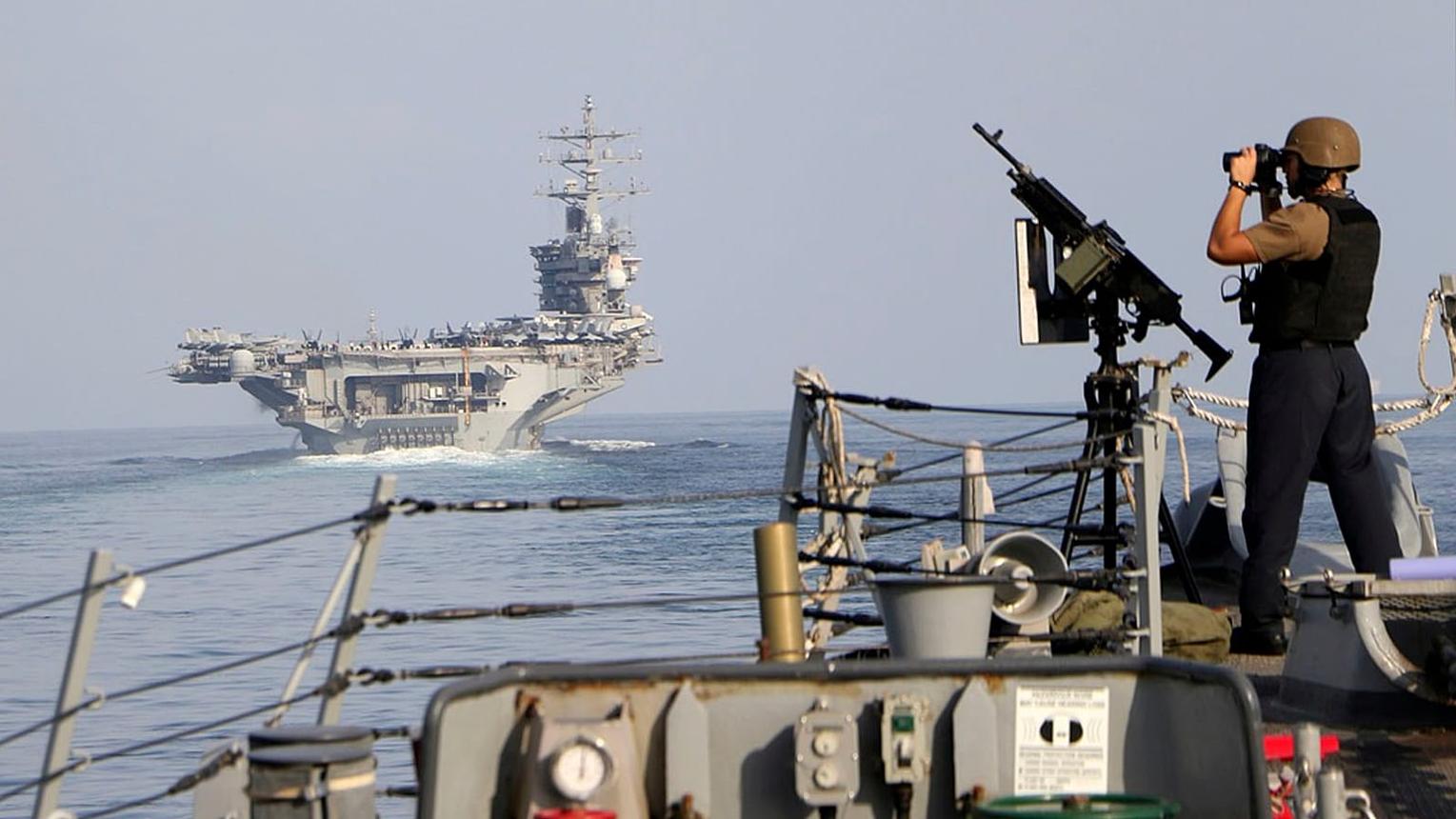
Ship seizures and reported gunfire in the Strait are adding pressure, increasing uncertainty for shipping routes and regional stability.
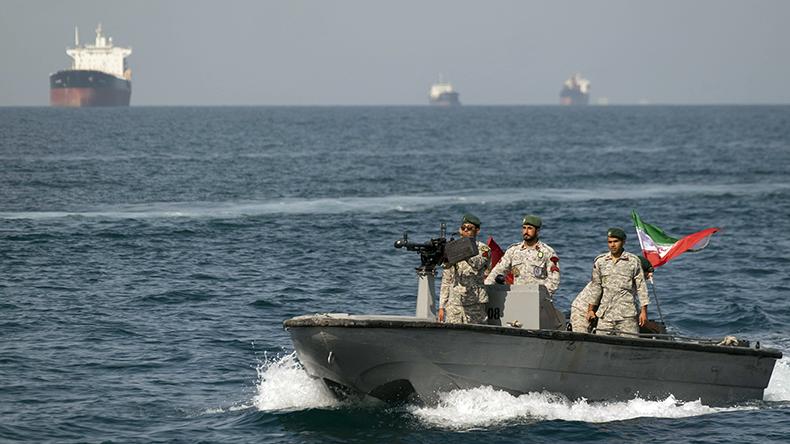
With no clear timeline for de-escalation, the US-Iran truce remains uncertain as risks grow for global energy markets.
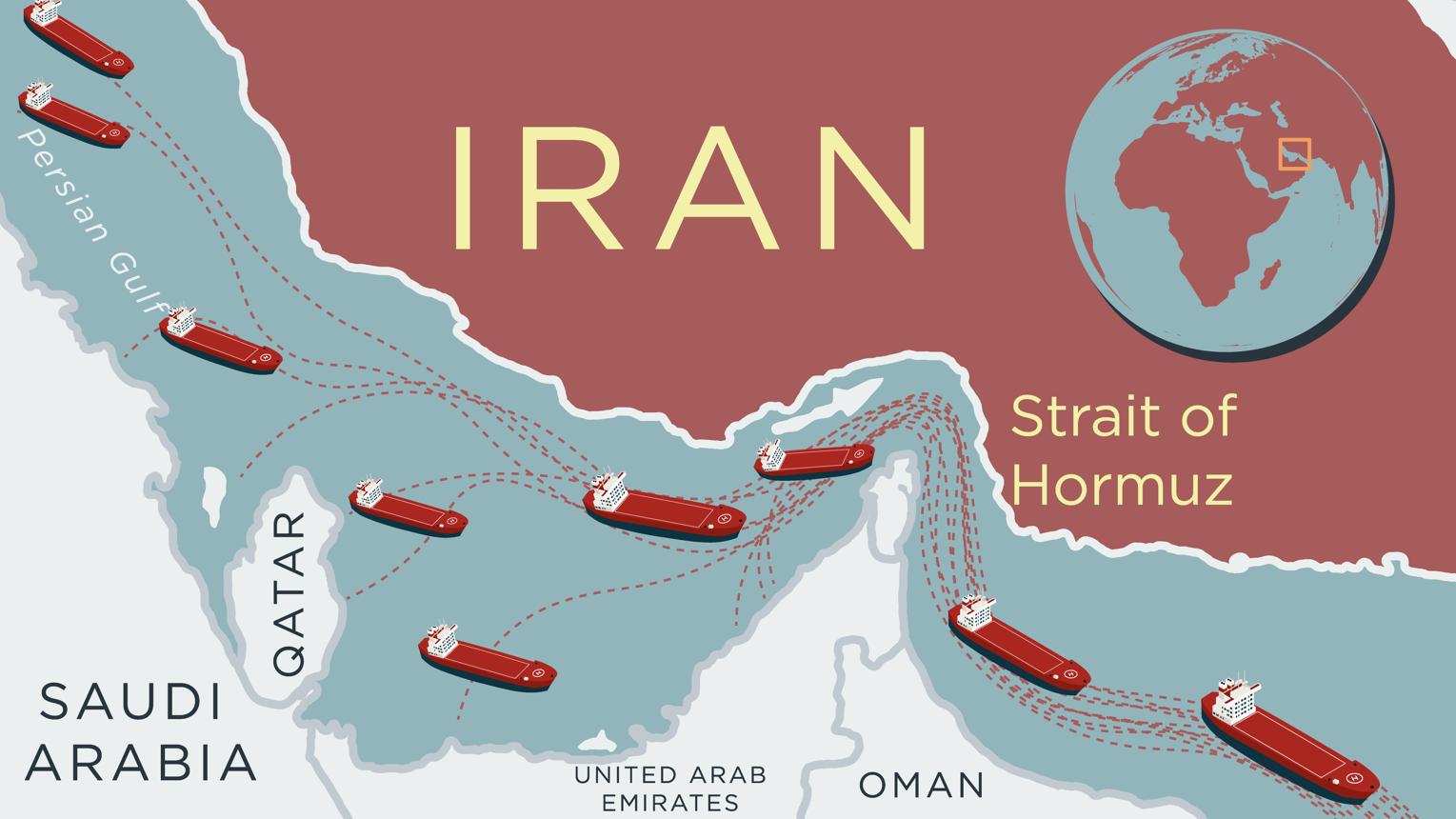
The Strait of Hormuz remains a critical energy chokepoint, and any escalation could disrupt global oil flows and drive market volatility
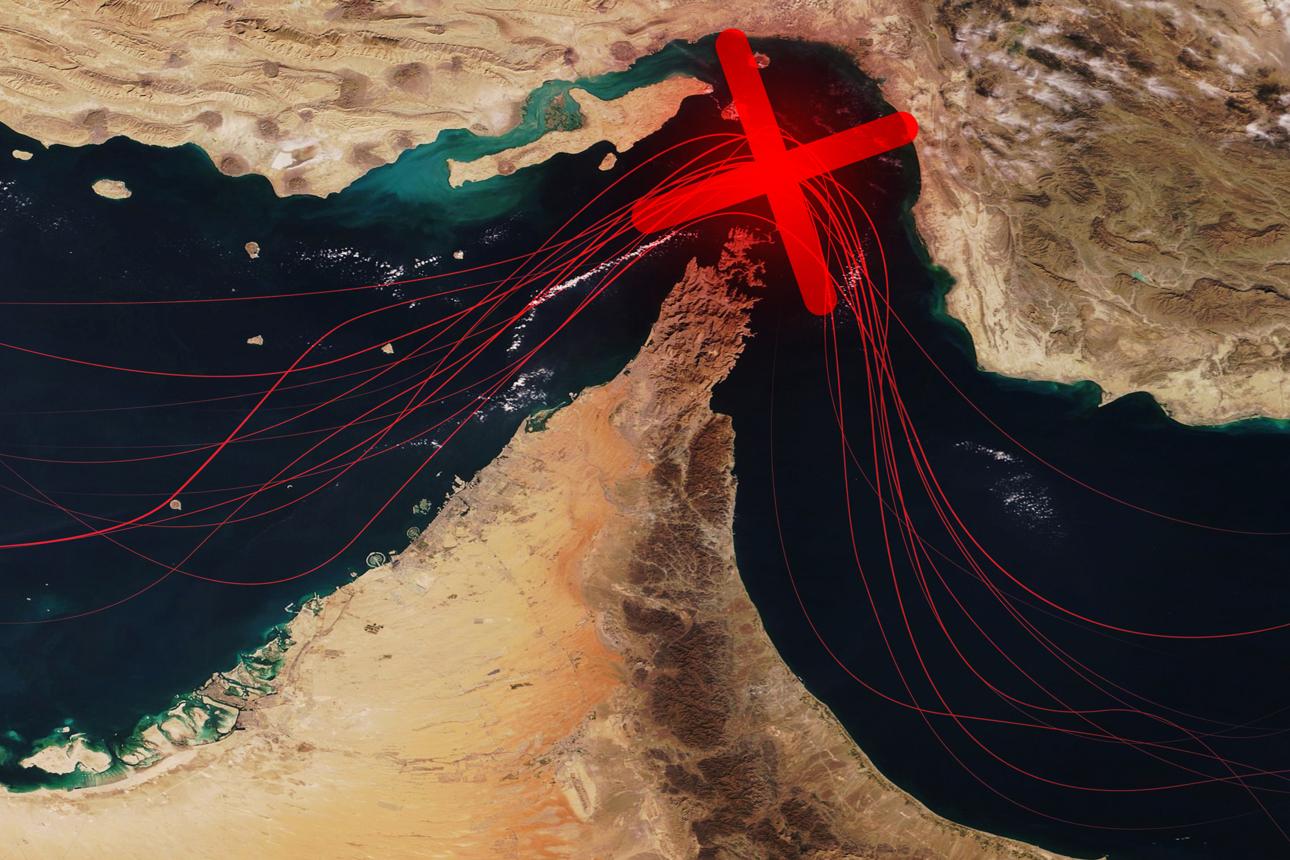
The development comes amid a series of recent incidents in the Strait of Hormuz, a narrow but vital passage through which a significant portion of global oil supplies is transported. According to shipping companies, Iranian forces seized two vessels earlier this week and escorted them toward Iranian territory. Tehran has not provided full details on the seizures.
In a separate episode, a Liberia-flagged container ship was reportedly fired upon in the same area. Maritime security sources said the vessel was not damaged and later continued its journey, but the incident has added to growing concern among international shipping operators.
Despite earlier indications of a ceasefire between the United States and Iran, the current situation suggests that the truce remains fragile. Trump has stated that there is “no time frame” for ending the conflict, while also indicating he is under no pressure to pursue a diplomatic resolution.
Analysts warn that the combination of increased naval activity, unclear operational directives and rising tensions could heighten the risk of miscalculation. The use of naval mines, in particular, poses a serious threat to commercial shipping, as even a limited deployment can disrupt traffic and force costly security responses.
The Strait of Hormuz remains a critical global chokepoint, and any escalation there is closely watched by energy markets and governments worldwide. Rising uncertainty has already begun to impact shipping costs and risk assessments in the region.
For now, the situation remains fluid, with no clear indication of whether tensions will ease or intensify further in the coming days.