

The United States is reportedly reviewing new military options targeting Iran’s capabilities around the Strait of Hormuz, should the current ceasefire fail, according to reports cited by CNN.
Sources familiar with the discussions say the plans focus on Iran’s asymmetric naval assets, including small attack boats and sea mines used to disrupt critical shipping lanes in the Strait of Hormuz, the southern Persian Gulf and the Gulf of Oman.
Details of the proposals have not been independently verified, and US officials have not publicly confirmed specific operational plans. However, the reported discussions highlight growing concern in Washington over the vulnerability of one of the world’s most important energy corridors.
Washington is reportedly assessing military options targeting Iran’s capabilities if the ceasefire breaks down.
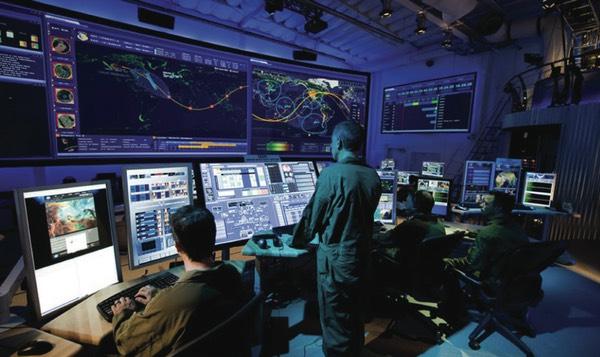
Plans include strikes on small attack boats and sea mines used to disrupt shipping in the Strait of Hormuz.
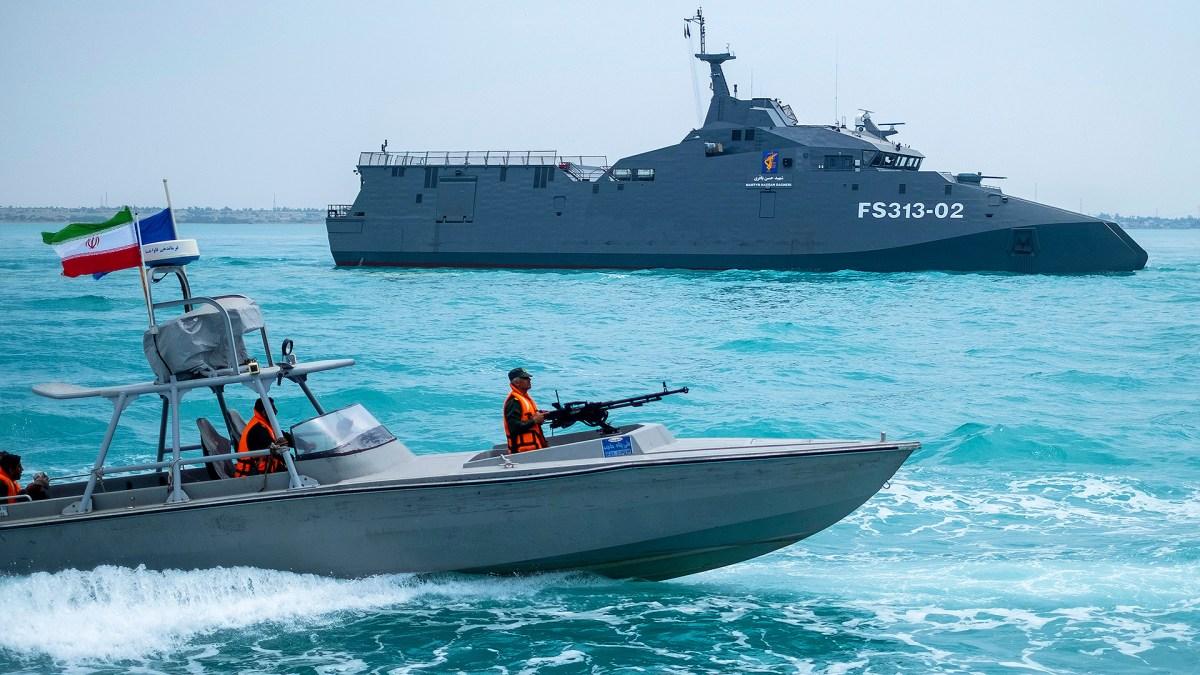
Potential air campaigns and strikes on infrastructure could significantly widen the conflict.
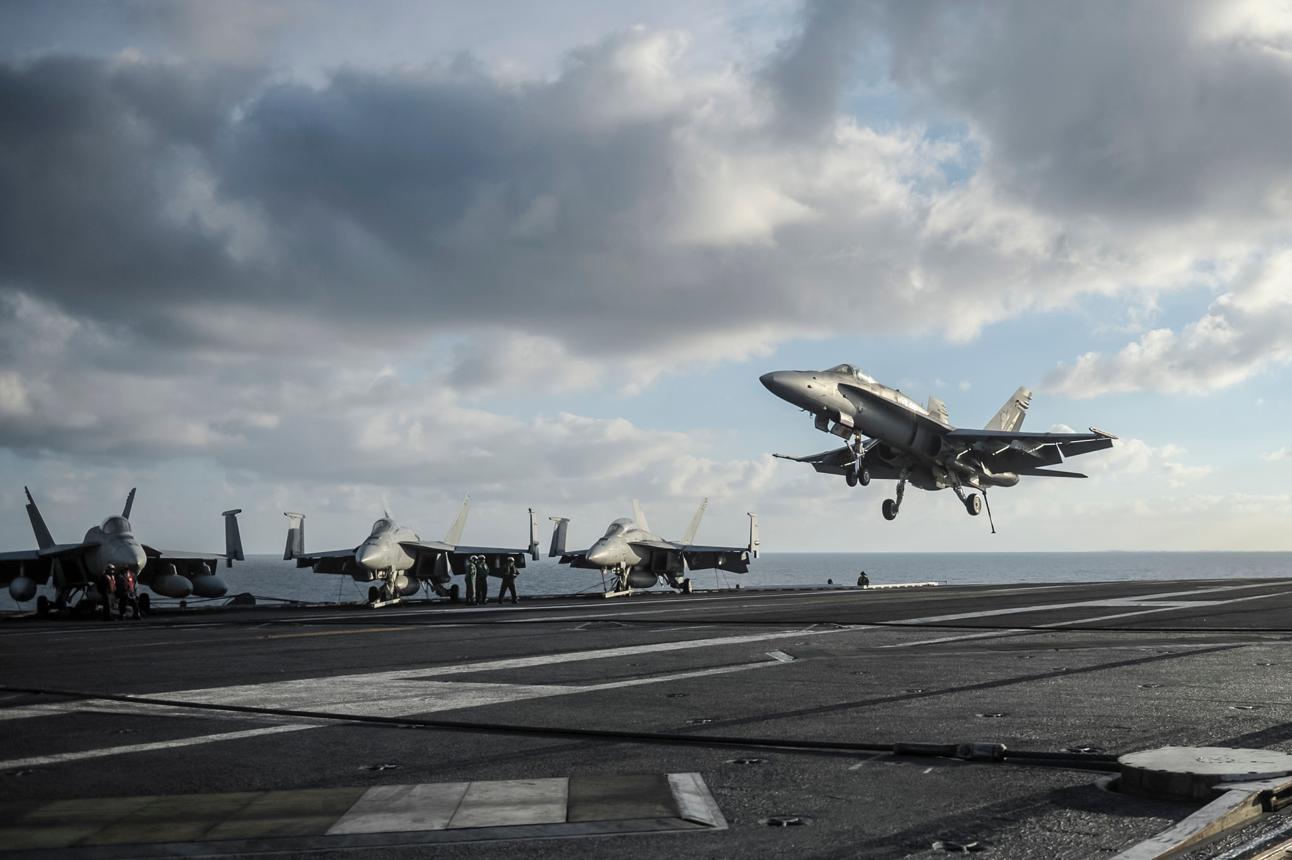
Despite preparations, the US leadership is said to prefer a diplomatic solution if possible.

The Strait of Hormuz remains a key chokepoint for global oil shipments. Any disruption has historically sent shockwaves through energy markets, complicating efforts by policymakers to stabilise inflation and maintain supply chains.
According to the reports, potential US responses could include a focused air campaign targeting maritime corridors, as well as strikes on dual-use infrastructure, including energy-related facilities. Officials are said to have warned that such moves would mark a significant escalation.
Another option under consideration reportedly involves targeting senior Iranian military figures or regime-linked individuals believed to be obstructing negotiations. Among those mentioned in reports is Ahmad Vahidi, though it remains unclear whether any such action has been formally approved.
US Defense Secretary Pete Hegseth said last week that Iran had repositioned parts of its military during the ceasefire period, suggesting preparations for potential renewed confrontation. He added that US forces are ready to respond if diplomacy fails.
Despite the contingency planning, President Donald Trump appears cautious about a broader escalation. According to statements and reporting, he continues to favour a diplomatic outcome, even as frustration grows over Iran’s refusal to reopen the Strait of Hormuz.
The ceasefire, which reportedly halted US strikes on April 7, has not resolved underlying tensions. Reports indicate that a significant portion of Iran’s coastal missile defenses remains intact, while its fleet of fast attack vessels is still operational.
Meanwhile, the US has maintained a strong naval presence in the region. Reports suggest around 19 US naval vessels are currently deployed across the Middle East, including two aircraft carriers and additional assets positioned in the Indian Ocean.
Washington has also intensified pressure through maritime enforcement measures. Since April 13, US forces have reportedly diverted dozens of vessels and seized several ships, including at least one carrying Iranian oil, though full details of these operations remain limited.
The situation remains fluid, with diplomacy and military preparedness running in parallel. Whether the ceasefire holds or collapses may determine not only the next phase of US-Iran tensions, but also the stability of global energy markets.